
Deck Repair Everett WA — when a deck in the Everett area needs targeted repair vs. full replacement. Fill the form and we pass your request to a local deck builder.
Takes 20 seconds. We pass your request to a local deck builder.
Deck Repair Everett WA — this page covers when a deck in the Everett area needs repair vs. full replacement, the common failure points in Puget Sound decks, and what drives the quote. For an estimate on your deck repair, fill the form below — we pass your request to a local deck builder.
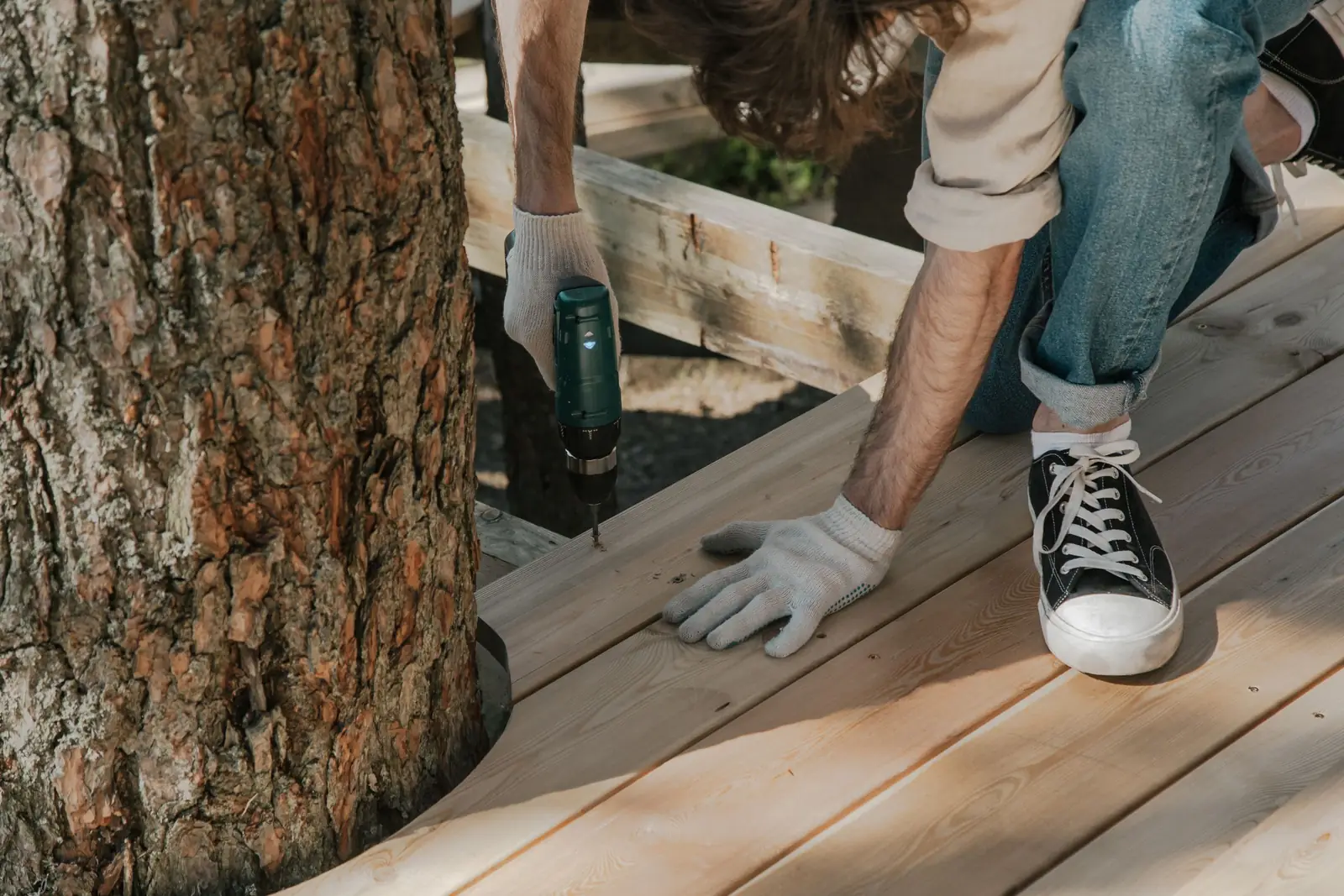
Puget Sound weather drives a predictable pattern of deck failure modes. In order of frequency the deck builder sees them:
Surface board rot. Cedar and pressure-treated surface boards eventually give out at the end-grain, around fastener holes, and in the sections that collect leaves or standing water. Cup, split, and soft spots are the visible signs. When enough field boards are affected, scope often shifts from repair to replacement.
Railing failures. Loose balusters, wobbly top rails, rotted post bases where the post meets the deck surface. Common on older decks. Often repairable with new fasteners, bracing, or targeted post replacement without touching the deck surface.
Ledger connection problems. The ledger is the board that attaches the deck frame to the house. Flashing failure here lets water into the house wall, which rots both the ledger and the framing behind it. A ledger problem is urgent — it can take a deck down and damage the house.
Joist rot at hangers. Standing water or moisture around joist hangers eventually rots the joist end-grain. If one or two joists are affected, targeted sister-joist repair works. If many are affected, the deck builder usually recommends a replacement.
Post base rot. Posts set directly in concrete or on insufficient standoff hardware wick water up the end-grain and rot at ground level. Repairable with post reset and proper standoff hardware.
Fastener corrosion. Older galvanized or standard-steel screws corrode in the Puget Sound humidity. Eventually boards loosen or lift. Re-fastening with stainless or coated structural screws fixes the problem.
Common factors the deck builder uses to decide:
Newer deck with localized failures. Usually repair. Replace the affected boards, re-fasten what's loose, address the one or two problem areas.
Middle-aged deck in mixed condition. Case-by-case. The deck builder tests multiple joists, checks the ledger, assesses post bases, and gives you a repair-vs-replace recommendation based on what's actually there. Partial rebuild (new surface on good existing frame, or new frame section) is sometimes the right answer.
Older deck with multiple failure types visible. Usually replacement. The repair cost approaches the replacement cost, and the remaining service life of patched sections is limited.
Rot at the ledger plus visible siding damage. Replacement conversation, plus the deck builder may recommend the siding behind the deck gets inspected.
Repair quotes are routinely cheaper than replacement quotes — the cost page covers both ranges.
Board replacement — one to several boards. Match the existing material (cedar, pressure-treated, composite brand/color), remove failed board, install replacement board. On composite, matching an older-generation board exactly can be a challenge; the deck builder may recommend replacing a visible section of boards rather than one-off replacement for appearance.
Railing re-work. Tighten or replace loose balusters, replace rotted post bases, re-set loose top rail. On cedar railings, the baluster-to-rail joint is a frequent failure point.
Fastener re-work. Pull failed or corroded fasteners, re-fasten with stainless or coated structural screws rated for the material. Often done as part of a broader surface refresh.
Soft-spot assessment and spot repair. The deck builder probes suspect areas, identifies the extent of rot, and either replaces the affected boards or opens up the framing section if the problem is deeper than surface.
Ledger replacement. The highest-stakes repair. Involves removing the deck surface along the house, replacing the ledger board, installing proper flashing, and re-surfacing. Often paired with framing inspection at the house-side joist ends.
Post reset. Dig out the failed post base, install a proper footing with standoff hardware, reset the post. The deck framing above the post typically has to be temporarily supported.
If your deck is pressure-treated, matching new boards to existing weathered boards is approximate — new PT lumber is green or lightly stained, and takes a season to weather to match. If appearance matters, the deck builder may recommend restaining the whole deck after the repair.
If your deck is cedar, same situation — new cedar is bright red-brown, existing weathered cedar is gray or stained. A full re-stain after the repair gets everything to the same appearance.
If your deck is composite, matching the exact brand, product line, and color is the goal. Older composite product lines (pre-cap or early-cap generations) may no longer be in production — in that case, the deck builder either sources closest-match current product or recommends surface-wide replacement.
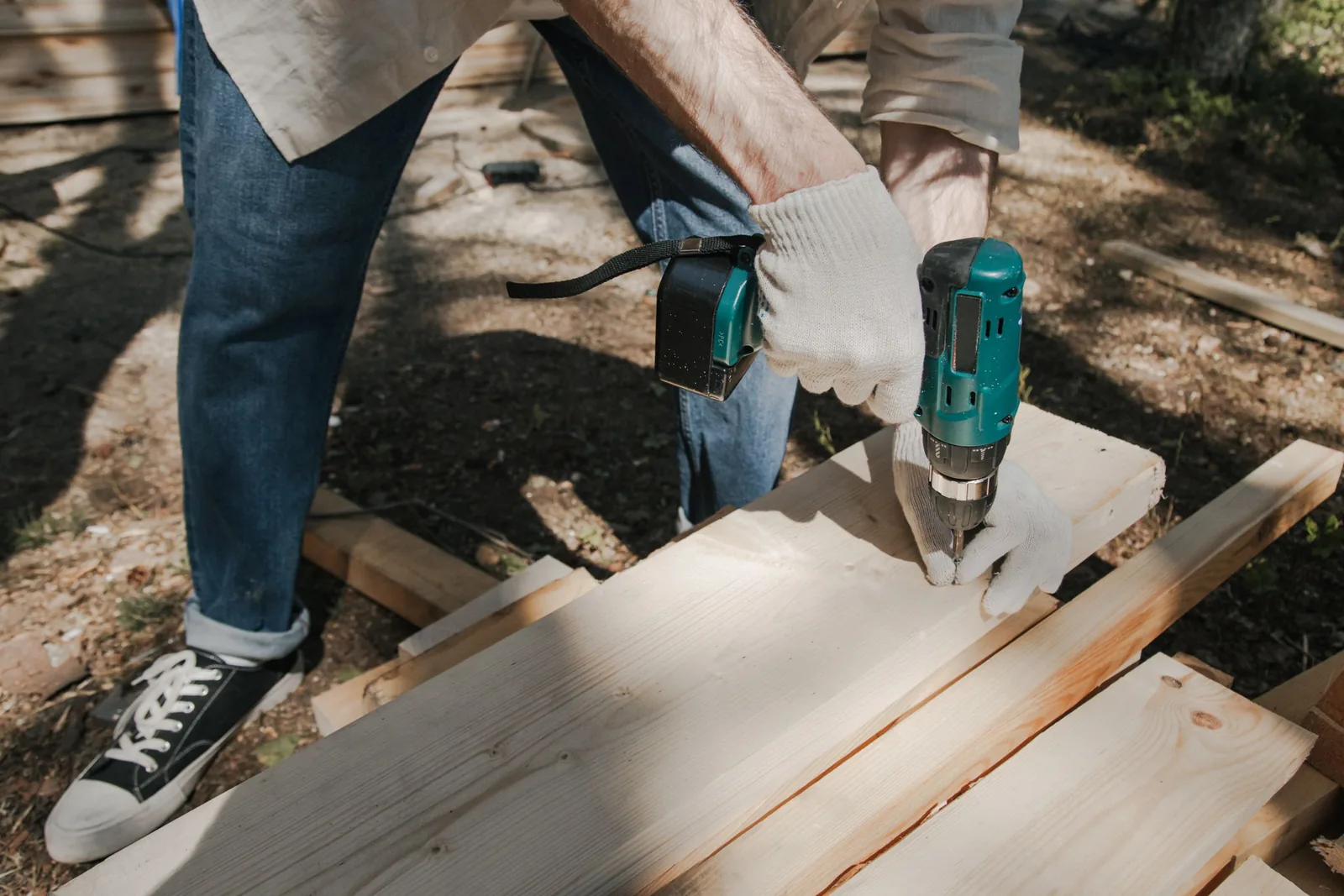
Safety hazards. A railing that's clearly loose, a rotted stair tread, or a visibly sagging section is urgent — the deck builder prioritizes stabilization even if the full repair is scheduled later.
Weather-driven urgency. If the wet season has already started and water is actively getting into the house through a failed ledger or flashing, ask the deck builder about emergency temporary repairs to stop the water while the full repair is scheduled.
Non-urgent cosmetic repair. Loose board here, stain mark there — can be scheduled with the normal queue. Ask the deck builder about timing when they call.
Permit rules depend on the scope — check City of Everett permits before work starts.
Two habits extend the service life of a repaired deck:
Keep debris off. Pine needles, maple leaves, and small debris trap moisture against the deck surface. In Everett that means a sweep every month or two during the fall and winter.
Watch the ledger and flashing. Any sign of staining, bulging, or soft wood where the deck meets the house is a red flag. Call the deck builder for a look before the problem spreads into the house framing.
Wood decks need periodic re-staining or re-sealing. For composite, soap-and-water wash as needed; no re-finish required.
How much does deck repair cost in Everett?
US national average for an isolated board or railing repair is $500–$3,500 total (Fixr — Deck Repair Cost Jan 2025, Breasy — Deck Replacement Cost 2026). See deck cost in Everett. The deck builder gives the final price after seeing the site.
Should I repair or replace my deck?
Depends on age, extent of failure, and whether the framing is sound. Localized failures on a newer deck are usually repair; multiple failure types on an older deck often shift to replacement. The deck builder gives the recommendation after the walk-through.
Can you match my existing composite boards?
For current-production product lines, yes. For discontinued older composite, exact match may not be possible — the deck builder recommends either closest-match current product or wider board replacement for a uniform appearance.
Is a wobbly railing a safety issue?
A railing that moves significantly when you lean on it needs attention. The deck builder can usually re-tighten or re-brace a wobbly railing without full replacement, if the posts and attachment points are structurally sound.
Do I need to be home during the repair?
Not usually — most repairs happen on the exterior of the house. If the repair involves ledger work, having access to the interior wall behind may help. The deck builder coordinates with you during scheduling.
Fill the form above. A local deck builder can contact you to schedule the on-site walk-through.
Get My Estimate →