Deck Replacement Everett WA — when a deck reaches end of service life and the right next step is a full rebuild. Fill the form and we pass your request to a local deck builder.
Takes 20 seconds. We pass your request to a local deck builder.
Deck Replacement Everett WA — this page covers when a deck in the Everett area reaches end of service life, what tear-out and rebuild involves, and what drives the quote. For an estimate on your deck replacement, fill the form below — we pass your request to a local deck builder.
Older deck with multiple failure types. At this point the typical Puget Sound deck has accumulated enough rot, fastener corrosion, and connection weakness that patching one problem exposes the next. The repair cost approaches the replacement cost without the long-term benefit.
Rot at the ledger plus signs of water in the siding or framing behind. This is a replacement conversation, often paired with siding and framing inspection at the house connection.
Enough surface boards failed that board-by-board repair exceeds a surface-wide replacement. At this level of failure the remaining old boards are usually close behind.
Framing not up to current code. Older decks may have been built with practices that don't match current structural requirements — undersized joists, inadequate ledger connection, missing lateral load bracing, posts without proper standoff hardware. If a permit will be pulled, the framing has to meet current code; replacement is often simpler than piecemeal upgrade.
You want a different footprint or layout. Expanding the deck, changing the stair location, adding a cover (see covered deck), or integrating with new sliding doors — these are rebuild projects, not repairs.
Material change. Switching from cedar to composite, or from pressure-treated to PVC, is usually paired with full tear-out. The old framing may or may not be reusable depending on condition.

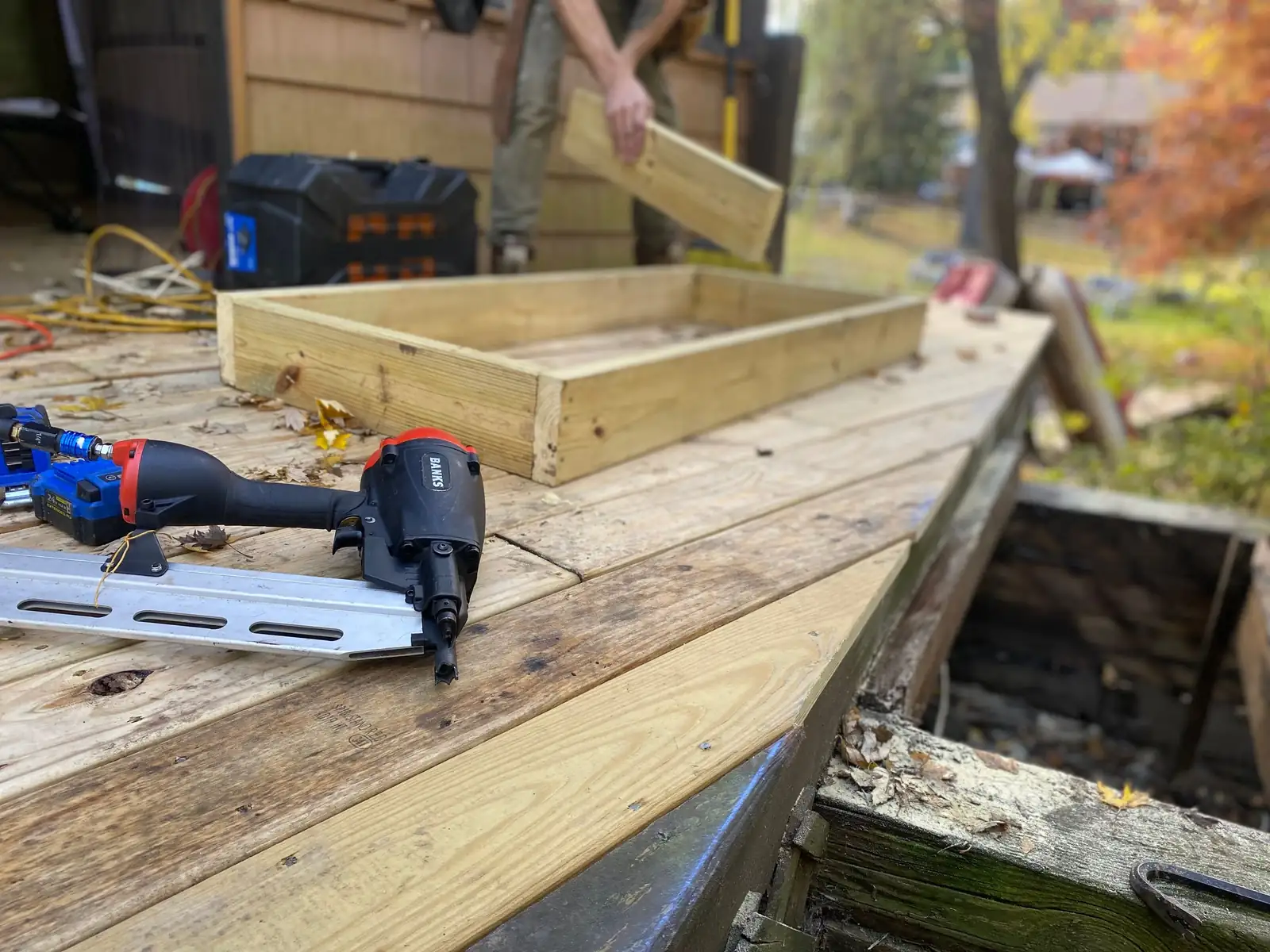
A full deck tear-out and rebuild follows a typical sequence:
Site protection. Tarps on landscaping below and adjacent to the deck. Yard protection if heavy equipment is coming in.
Surface demo. Deck boards come off first. On wood decks this is usually a day of work; composite board demolition is similar.
Railing demo. Posts, balusters, and top rails removed.
Framing demo. Joists, beams, ledger, and posts removed in sequence. The ledger comes off the house last. Flashing, old fasteners, and any failed house-wall material behind the ledger are addressed at this stage.
House-wall inspection. Once the ledger is off, the deck builder inspects the siding, sheathing, and framing behind. If any damage is found, the scope expands here to address it before the new ledger goes on.
Debris haul-off. Old lumber, fasteners, railings — all disposed of per local waste rules.
Framing install. New ledger with correct flashing, new posts on proper footings with standoff hardware, new beams and joists per the plan.
Surface install. New boards per the material choice — pressure-treated, cedar, composite, or PVC. Pattern, direction, and fastener type per the quote.
Railing install. New posts, balusters or cable or glass panels per spec, new top rail.
Final inspection. If a permit was pulled, the final inspection happens here. Ask the deck builder to walk the finished deck with you.
Four main surface material choices in the Everett market:
Pressure-treated. Cheapest material cost. Lifespan varies by material and climate. Service life in Puget Sound is shorter without regular maintenance.
Cedar. Traditional Northwest wood look. Longer lifespan than pressure-treated at ground level because of natural rot resistance. Still needs periodic re-staining to resist weathering.
Composite (mid-grade or premium). Capped composite boards; manufacturer coverage varies by product. No re-stain required. Higher material cost; much lower long-run maintenance.
PVC / capped cellular. Pure polymer, highest moisture resistance, highest material cost. Appropriate for very wet-exposed decks or long service life goals.
See the deck cost page for per-sq-ft installed ranges on each material.
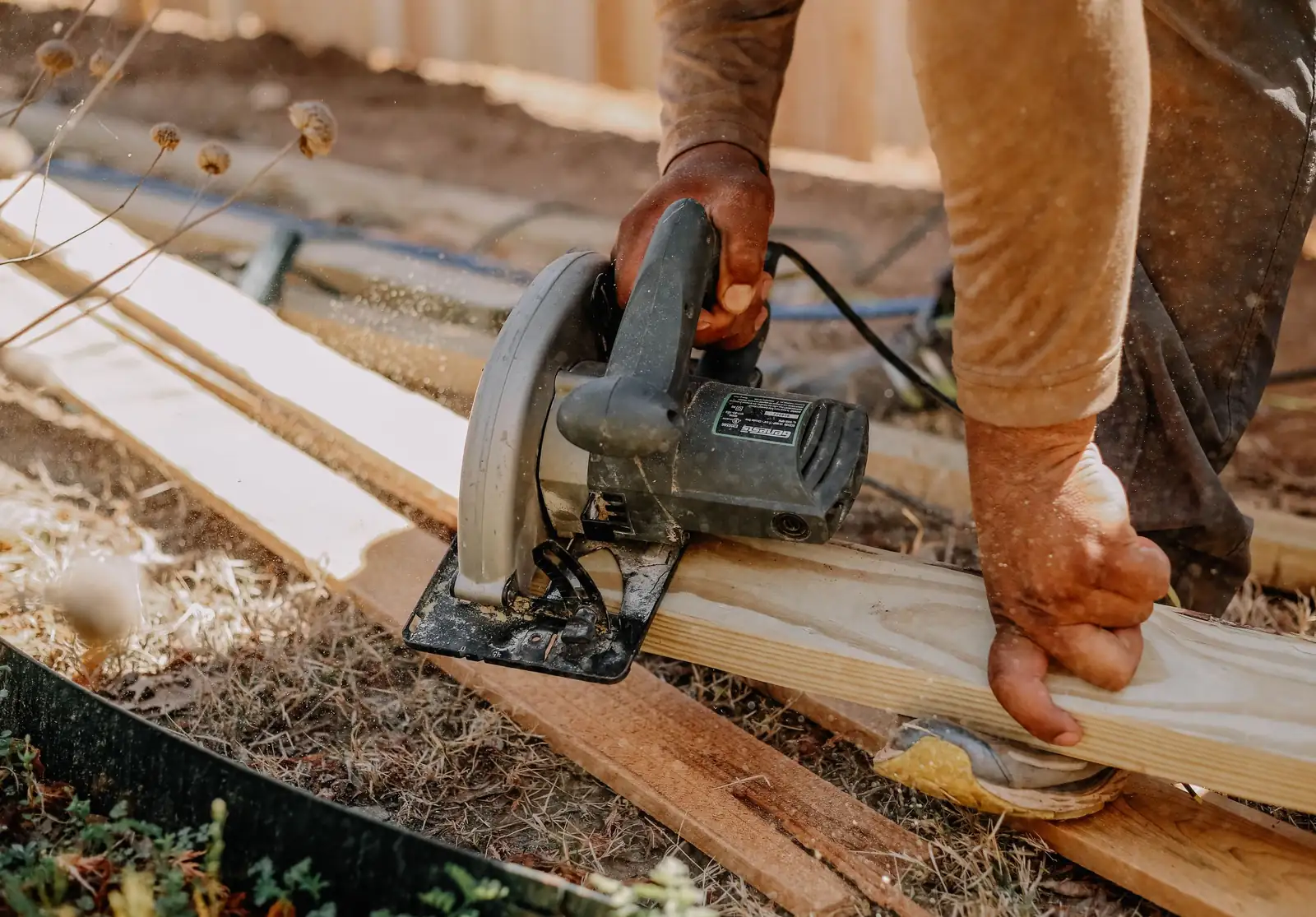
Replacement is the right time to address framing choices that limit the deck's performance or appearance:
Joist spacing. Composite often requires tighter joist spacing than an old wood deck may have used, and diagonal patterns need tighter spacing again. If you're switching materials, joist spacing is part of the rebuild plan — the deck builder sizes it to the manufacturer's install guide.
Ledger-free design. Some sites allow a free-standing deck not attached to the house, using additional posts and footings in place of the ledger connection. More complex to build but eliminates the single highest-risk failure point (the ledger connection).
Larger span, bigger beams. If you want fewer posts in the under-deck area (for aesthetic reasons or to clear below-deck use), bigger beams reduce the post count at the cost of material.
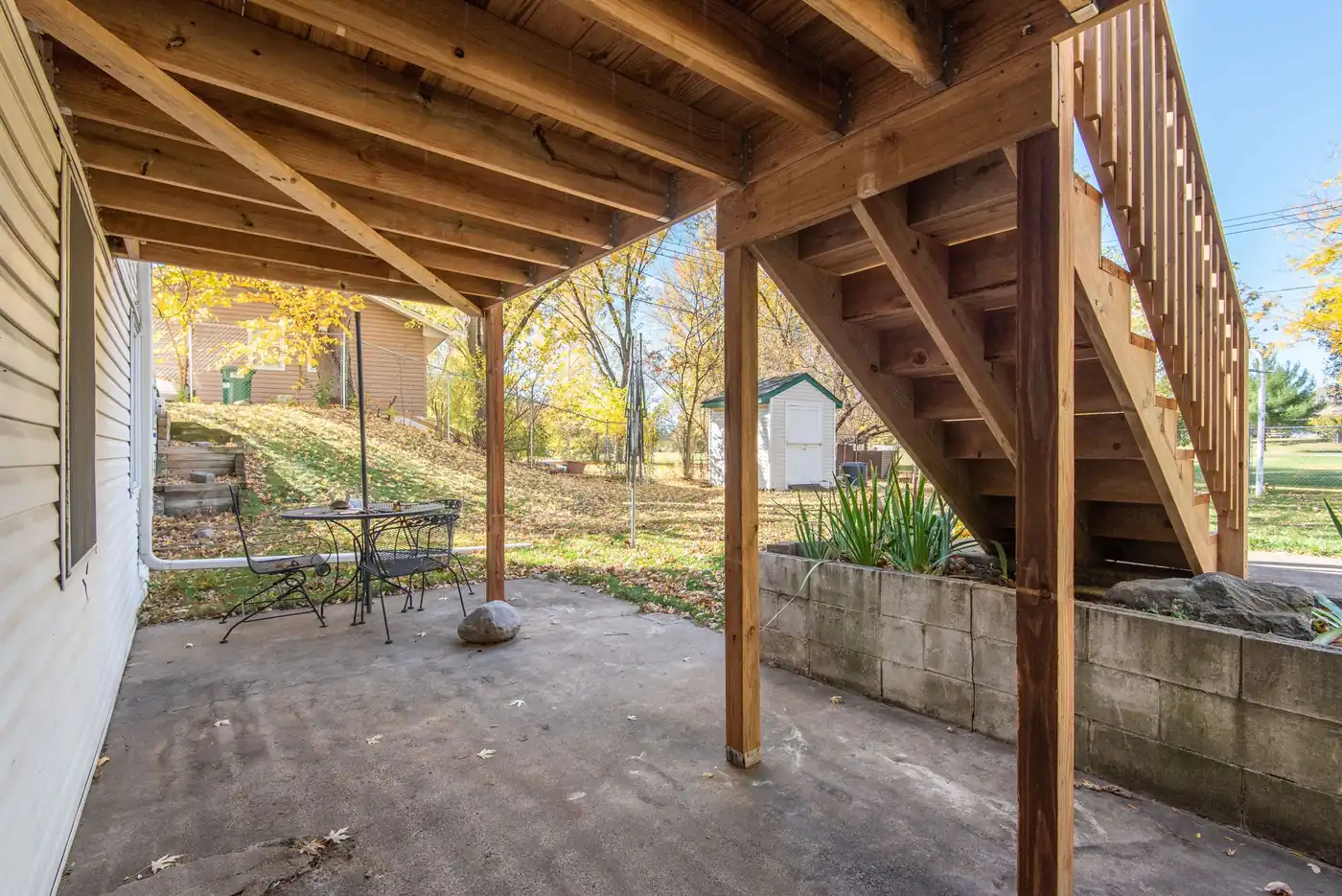
Under-deck drainage system. For elevated decks where the space below is useful, a drainage membrane system under the deck surface sheds water out to the perimeter and keeps the under-deck area dry.
Lighting and electrical rough-in. Easier to run power for post lights, step lights, or outlets during the rebuild than to retrofit later.
Permit rules depend on the scope — check City of Everett permits before work starts.
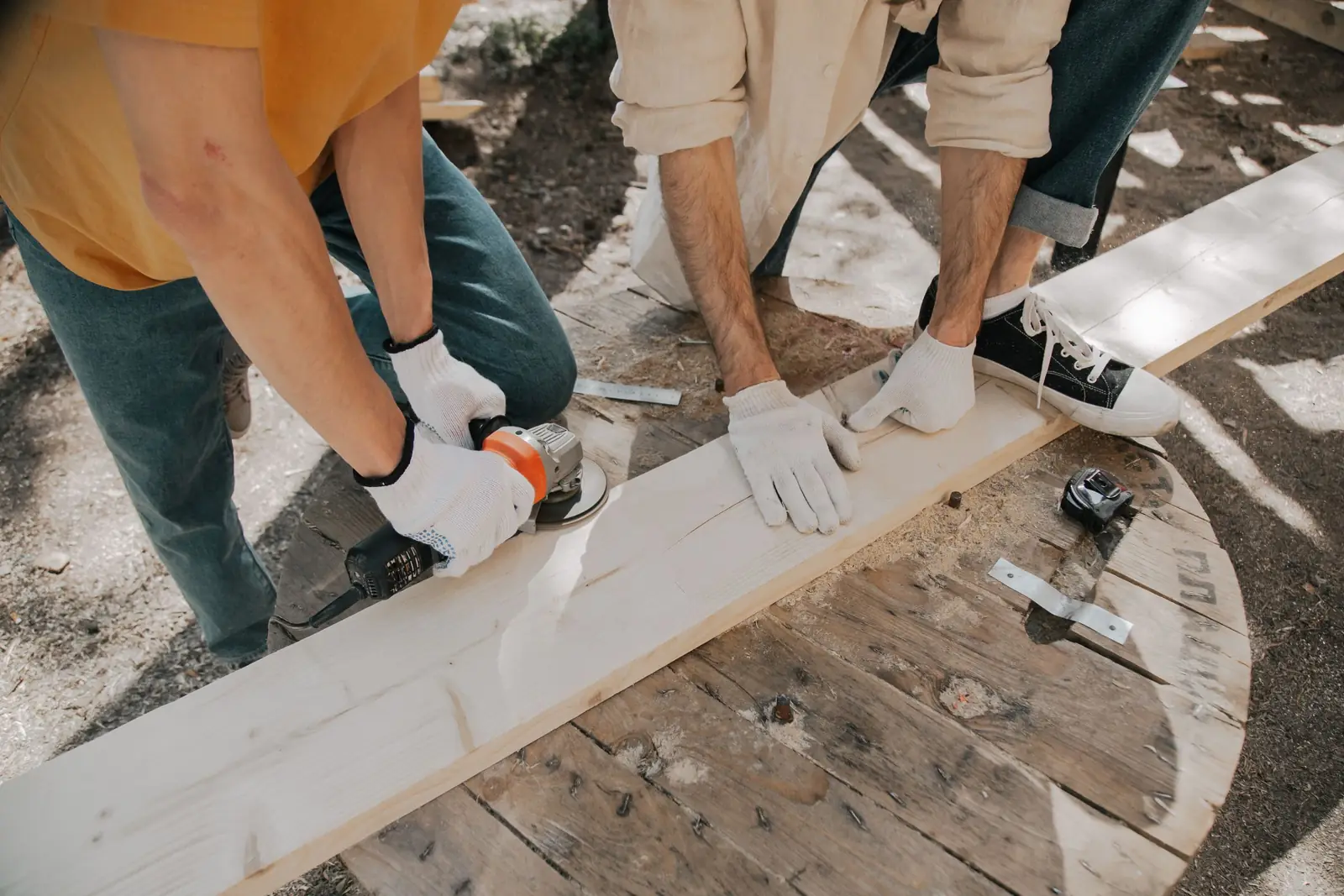
Access affects the quote more than most homeowners expect. Three common scenarios:
Flat lot, truck access to the deck. Fastest demo and material delivery. Lower labor cost per square foot.
Fenced or gated backyard. Material has to be hand-carried from the street or through a gate. Each piece of lumber takes 2–3x longer to stage. Factor into the quote.
Hillside lot or elevated deck. Material delivery to a second-floor deck often involves temporary hoists or boom-truck lifts. Setup and tear-down adds cost but is more efficient than hand-carrying.
Mention access specifics on the request form so the deck builder knows what to expect.
If you're already tearing out the old deck, expanding the footprint is often less expensive than doing an addition later. The crew is on site, equipment is set up, demo is already paid for. Common expansions in Everett projects:
Larger main surface. Adding 4–8 feet to one dimension to accommodate a dining table and seating area.
Separate zones. Two levels or two sections for cooking vs. seating, often with a step between them.
Integrated planters or benches. Built-in features that double as structure.
Access to another part of the yard. New stairs down to a patio, a path to a garden, or a connecting walkway.
The deck builder sketches options during the walk-through if expansion is on your mind.
How much does a deck replacement cost in Everett?
US national average for a 300 sq ft pressure-treated deck replacement is $4,500–$8,000; composite is $9,000–$16,000 (Breasy — Deck Replacement Cost, Ergeon — Deck Cost). See deck cost in Everett for the full table. The deck builder gives the final price after seeing the site.
How long does deck replacement take?
Varies by size, complexity, and weather. Ask the deck builder for a schedule estimate during the walk-through.
Can I reuse the old framing?
Sometimes partially, usually not fully on an older deck. The deck builder tests the framing during the walk-through. If some joists are sound and the layout works for the new surface material, those joists can stay. Ask the deck builder about the ledger.
What happens to the old deck materials?
Hauled off and disposed of per local waste rules. Ask the deck builder about removal and whether it's included in the quote.
Do I need to leave the house during the work?
No — most work happens outside. If the deck is attached at a kitchen or sliding door, there may be a few hours where access through that door is limited. The deck builder coordinates with you during scheduling.
Fill the form above. A local deck builder can contact you to schedule the on-site walk-through.
Get My Estimate →